

What if I was to tell you that there was nothing Italian about the tomatoes in ragu?
That there was nothing Indian about the chilies in curry, or anything particularly Irish about potatoes? Before the 1500s, food in Asia, Europe, and Africa (collectively known as the “Old World”) looked very
different from how it does now.
Thai cuisine wasn’t spicy, Hungarian food had no paprika, and Indonesian food no peanuts. In fact, before the 1500s, many of the ingredients used in these cuisines today were virtually unheard of.
That was all until the Columbian Exchange.
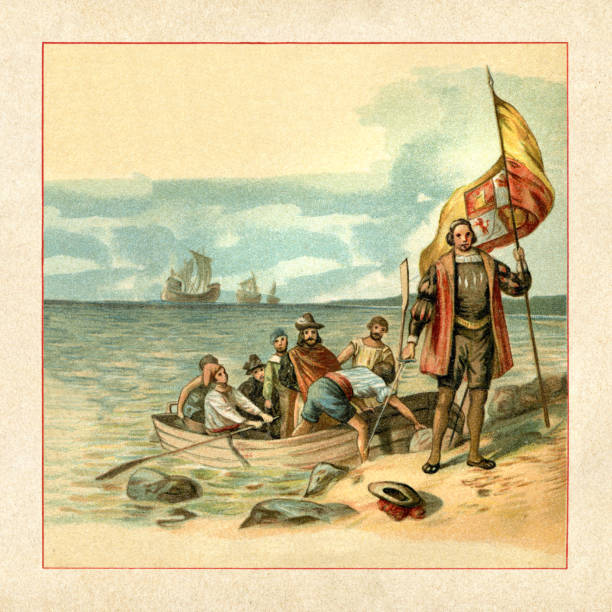
The Columbian Exchange refers to the exchange of food, diseases, people and ideas between the Americas and the Old World following the voyages of Christopher Columbus in 1492. From the Americas, Europe came to know kumara, capsicums, corn, and countless other crops. From the Old World, the Americas came to know coffee, sugar, wheat, and more.
The exchange transformed diets in Europe and across the world. New calorie rich foods like potatoes facilitated large increases in population in places like Ireland. However, for the most part, the benefits of this exchange were one sided.
Old World diseases devasted the populations of the Americas. Ailments like smallpox, measles, typhus and cholera rapidly spread amongst the native populations. Thousands of years of isolation had meant the natives had never encountered these diseases before European contact— and it is an understatement to say that the effects were lethal. It is estimated that up to 80-95 percent of the Native American population was wiped out within the first 100-150 years after Columbus’s arrival. In some places like the island of Hispaniola, the indigenous population went virtually extinct after 50 years. This depopulation meant that Europeans no longer had a workforce for their new lucrative plantations of old-world crops, resulting in them looking East for labour.
Between the sixteenth and nineteenth centuries, over 12 million African slaves were shipped to the Americas in what is now known as the Transatlantic Slave Trade. This would become the largest forced migration in human history. However, the slave trade provided a workforce that allowed crops to be produced on a larger scale. Many Old World crops thrived in the new environment, and their mass production allowed crops like sugar to substantially drop in price. For the first time in history, a crop that was once an Old World delicacy for the rich quicky became a household commodity. Sugar consumption in Europe grew rapidly, increasing 20-fold between 1663 and 1775. Foods such as jam, cakes and biscuits started to become more common, while it only became cheaper as the Dutch, English and French joined the Spanish in setting up their own sugar colonies. Other Old World crops such as coffee, cacao and rubber also enjoyed similar success.
It is undoubtable that the Columbian Exchange transformed the world to what it is today. For the first time in history, the Old World was introduced to a pandora’s box of new crops and foods, many of which continue to remain staples in diets across the world. It allowed luxuries to become commodities, but not without a cost. Not only did millions die because of Old World diseases, but millions more were forcefully relocated, radically reshaping the demographic landscape of the Americas forever. However, whether you love it or hate it, the Colombian Exchange facilitated a new epoch to be born— one in which the world was more interconnected than ever before. So, the next time you eat kimchi, a spicy curry, or a pizza, remember the global connections that helped shape the food in front of you.