

Rating: 4/5
It’s not every day that you watch a movie that, despite its slow pace, absolutely captivates you. Recently, I stumbled across a movie called Kokuho. Directed by Lee Sang-il, Kokuho dives into the world of kabuki theatre and explores themes of artistic discipline and personal identity. But at its heart, it is a universal story about the sacrifices artists make to reach the top of their art.
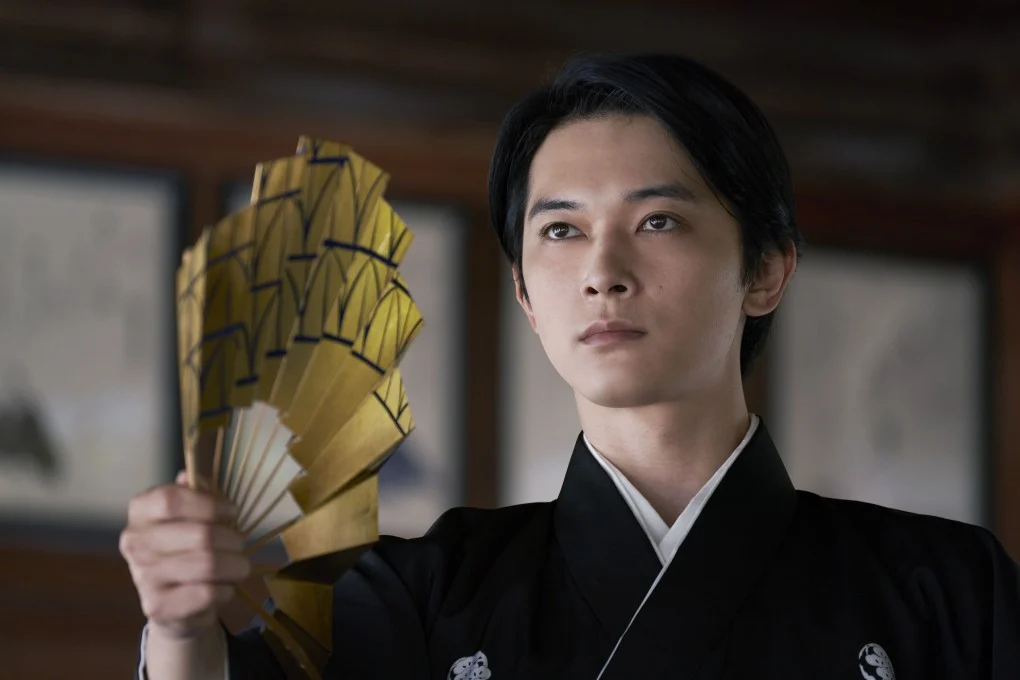
The story revolves around Kikuo. Orphaned at a young age, he was adopted by a famous kabuki actor titled Hanai Hanjiro II, who trains Kikuo alongside his son, Shunsuke. Despite the boys forming a brotherly bond, their relationship is soon strained as the two compete to distinguish themselves in the world of kabuki. Kokuho draws you into a world that is foreign yet also deeply human. Behind the mesmerising colours and intricate performances are characters who are flawed, imperfect and human. But this only makes the film more relatable.
I found some aspects of Kokuho a little difficult to understand at times. But being set in 1960s Japan, I imagine this is completely normal for a foreign audience. After all, part of the joy of watching an international movie is learning about another culture. Kokuho does just that. It gives us a rare glimpse into the world of Japanese traditional arts— a world of rigid hierarchies, ancient tradition, and family connections. The film can also be slow at times. But for those who are willing to watch it will find it to be a deeply moving experience.
At its core, Kokuho is a universal narrative about the trials and tribulations of artists. After watching it, I gained a newfound appreciation for the arts and the people who dedicate their entire lives to them.