Two weeks ago, World Leaders gathered to state their goals and directions in this turbulent time in political history.
These ranged from speeches about ‘values’ and ‘facing reality’ from Germany to the nonsensical dogma of the current American administration.
The most curious thing to me as a political science student is listening to the speech of the Foreign Minister for China, if you believe everything he says at face value, China is the most moral, law-abiding country in the world. That they just want to be allies with Europe, that they want free trade and a fair international legal system where small states (like us!) have a fair say.
Compared to the common image of China, this is likely be a great departure from how you have heard them being discussed. The key here is balance. China will not do anything outside of its own benefit. I would argue no powerful country would. But there is likely truth to the idea that they want a new international system that is fairer, that isn’t centred around U.S. hegemony. What better way to get all the smaller countries on their side than to offer international laws that work for them? And this is fair critique! It’s been well known for a while that even at its best the UN has been biased towards the west and other states with ‘punching power’.
It is probably also true that China wants free trade with the EU because having close ties with wealthy countries that are reliant on China’s massive, cheap manufacturing industries is a massive part of how China maintains its political power.
In contrast the European speeches were about pulling back their economic reliance on China to “de-risk” their economies if conflict were to emerge. Both the French President Macron and the German Head of state Friedrich Merz said that Europe needs to remain united, that they as Europeans need to “remember who they are” …whatever that means.
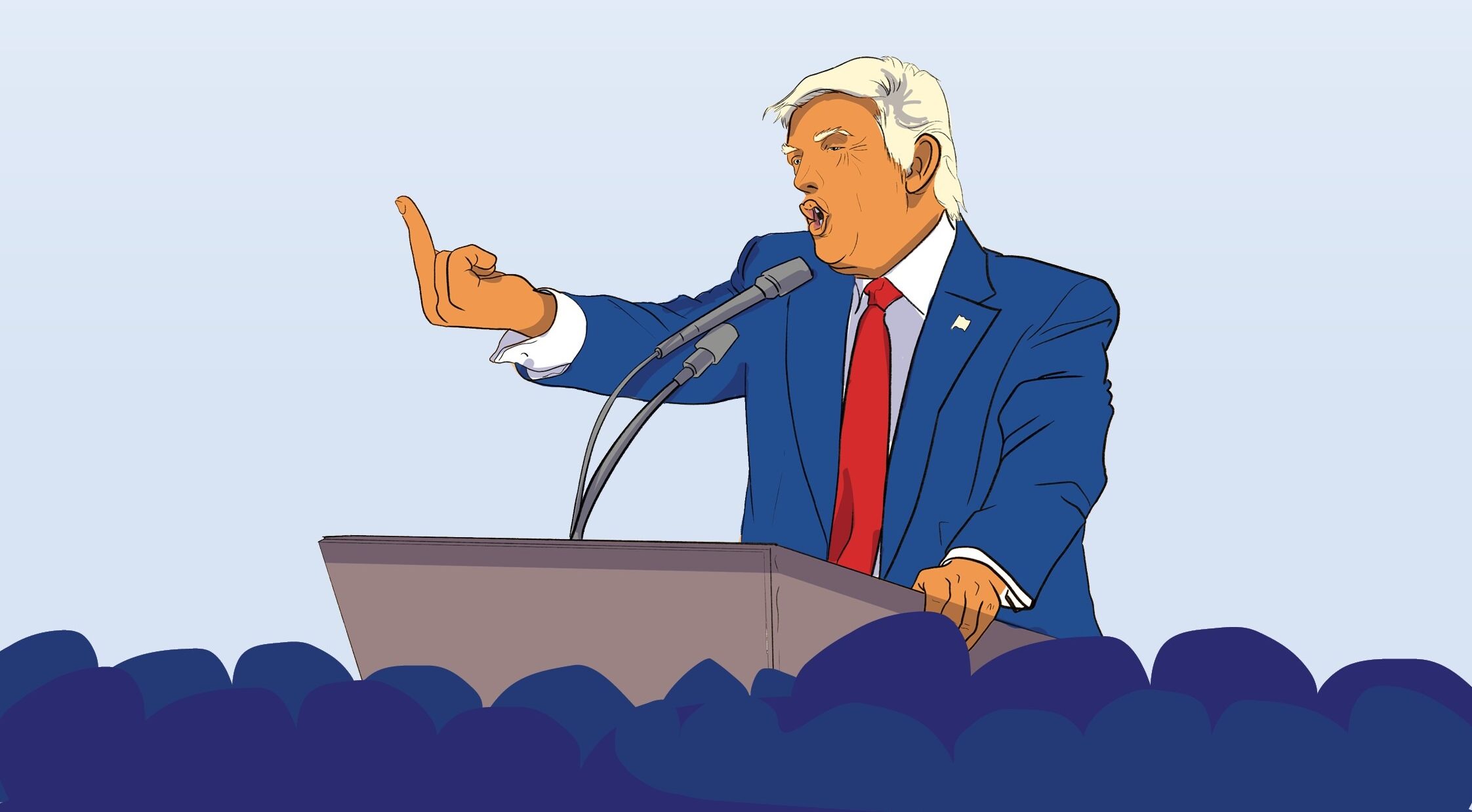
It was also clear to anyone watching that the Europeans felt very awkward about the ‘head of the free world’ quickly falling to an administration that doesn’t know ally from enemy. They are in a delicate balancing act where the American administration is basically bullying Europe, despite being their closest ally, by threatening to buy or outright conquer Greenland, (or as a genuine introduced bill aims to rename it “red, white and blue land”). Trying to annex territory from Europe while trying to convince them they are its friend is not exactly a winning diplomatic strategy.
Due to this tension, the European leaders shuffle between putting their foot down and standing up for themselves in Ukraine, saying there will be no peace without Europe at the table (a dig at Trump for trying unsuccessfully to broker peace without inviting Europe to the negotiation table) but also sucking up to the American talking points about more military, less free trade and giving them wins all they can because rightfully or not, they are nervous about being tied to China rather than the USA.
To be a bit more direct with my opinion, this is very dangerous. China is a far from perfect country, and I would not suggest dropping everything to buddy up to them, as some European leaders hinted at, Europe should stand on its own while working with other countries, they shouldn’t look for a new de-facto leader like the west had with the USA. But this sucking up to the current US Administration while it’s representative Macro Rubio blatantly, with no self-awareness stands on a European stage and talks about nationalism, demonizes immigration as “a threat to the future of our people”, and mythologizes the history of the relationship between the USA and Europe. For example, Marco Rubio spoke in his speech about Christopher Columbus “discovering” new continents and the ‘pride’ western civilisation should have in our “great civilisation that has every reason to be proud of its history”. These are very plainly similar talking points of things Europeans have heard before, things they know the consequences of what can happen when it goes unchecked.
How does this relate to us?
For a small trading country with a complex and storied relationship with the USA, China, and our neighbours in the region. We are left with a question after seeing these world leaders give speeches at the Munich Security Conference in Germany. For a country that has a history of standing up for values internationally even at great cost, from being punished for saying no to nukes to publicly questioning China on human rights concerns in their Xinjiang province. We have a history of punching well above our weight for what we value.
Which leaves us with the question the changing landscape of politics and the messages stated in these speeches have left us with. Who, in the coming years should we value as friends and partners? What international system do we, a country with no militaristic way of defending itself on its own want to see? Should we stick with the USA and Australia, despite serious concerns about integrity of the USA as an ally and the direction of “countries first, international cooperation second” they want to cement as the universal order? Should we rebuild our actually remarkably long friendship with China and see what international system they attempt to create? Or should we try and remain neutral, focus on our region and our partners in the pacific while attempting to remain in everyone’s good graces?