
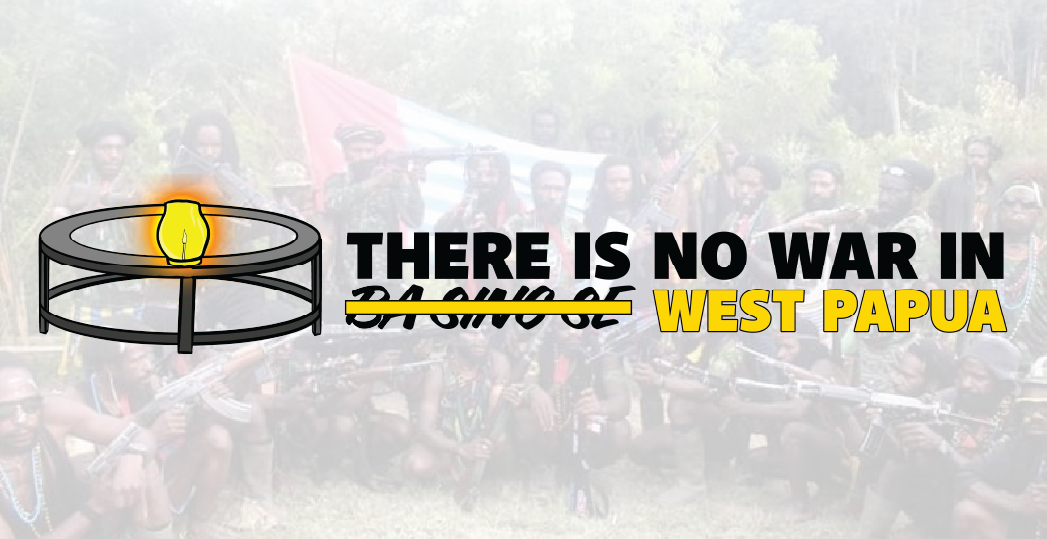

West Papua is one of the most linguistically diverse regions in the world. It’s also home to a breathtaking display of both cultural and ecological diversity, with 80% of West Papua dense with tropical rainforests, surrounded by mangroves, wetlands and alpine central highlands with their marine ecosystems hosting the highest diversity of coral and fish in the world. Along with this, comes a rich tradition of indigenous ecological knowledge and a population of Indigenous people disappearing at the same rate the forests are being bulldozed.
The Indonesian military has a 60-year chokehold over West Papua where, since 1962 an estimated 500,000 people have been killed. Another link in a long chain of colonial violence, the plight of indigenous people in West Papua continues quietly as heavy militarisation restricts on NGOs and severe treatment of journalists. The Human Rights Moniter (HRM) Annual Report states there has been a significant increase in reported numbers of extrajudicial killings since 2025 along with frequent reports of torture forced displacement and armed conflict. The UN Comission on Human Rights has put out multiple reports over the years confirming that West Papuans are undergoing a humanitarian crisis with similar evidence of brutal torture, military rape and HRM claims that the “armed conflict between Indonesian security forces (TNI/police) and the TPNPB escalated further in 2025, reaching its highest levels of violence in recent years. HRM documented 141 armed clashes and attacks throughout the year, slightly exceeding the record set in 2024.”
Ideas about West Papuan Independence have been criminalised. Many of those who fight for West Papuan Freedom are charged with treason or held as political prisoners. Peaceful protest, seemingly, is not exempt from harsh judicial punishment. The West Papuan National Liberation Army (TPNPB) is the armed wing of the Free Papua Movement (OPM) who have been engaged in a separatist insurgency since 1964 against the Indonesian government. Their decentralised structure and guerilla tactics are used to conduct attacks on both military and officials but also infrastructure. HRM reports from 2025 cite deaths on both sides of the conflict but a high number of civilian deaths as a direct result of these armed clashes. As of the beginning of September 2026, the Melanesian Spearhead Group (MSG) is pushing to facilitate a visit to West Papua by the UN High Commissioner Of Human Rights. The request for this inquiry was first made to the Pacific Islands Forum in 2019 and has yet to occur, despite multiple organisations and authorities citing continuous, rising rates of violent conflict and deaths in West Papua.
Apart from the heavy military action, one of the greatest threats that the people of West Papua are facing is mass displacement due to a proposed ecocide. The term ‘ecocide’ in this context is a contentious one, with claims about conservation efforts but reports from indigenous leaders, anthropologists and human rights organisations outline the impact of mass deforestation, rapid urbanisation and warfare on the indigenous population who rely on rich ecological traditions. The Asia-Pacific Report in 2026 claimed that “This is the largest forest conversion project in modern history” with upwards of an estimated 2 million hectares sold to major companies for natural resources such as palm oil and the government pushing to expand the agribusiness industry further within the country. These internally displaced people (IDP) are currently an estimated 105,00 strong, with patterns of major displacement waves occurring in areas where military operations are being conducted. Unwilling to return as military action only grows, there are now ‘ghost villages’ that only continue to grow in number since 2019. The HRM report had this to say about the role of the Indonesian government in their treatment of the displaced population: “The government’s support for IDPs has been minimal. Local regents and church groups occasionally provided food or small aid, but there is no sustained relief program in place. Humanitarian access to conflict zones remained restricted by security forces, who view outside assistance with suspicion or block it, citing security concerns. As a result, IDP communities continued facing malnutrition, malaria, and other preventable diseases.”
On the 16th of September, Papua New Guinea celebrated 51 years of independence while West Papua reported further casualties in their armed conflict. Still, these reports are exceedingly limited as the government further restricts the operation of journalists and NGOs inside the country and sanitized reports are being put forward by state media. The indigenous people of West Papua experience a humanitarian crisis relatively silently. In the minds of some, there is no war in West Papua. As many neighboring countries in the Pacific and Southeast-Asia celebrate recently recovered identities and freedoms, just across the waters of our home ocean another indigenous fight for survival continues on.