
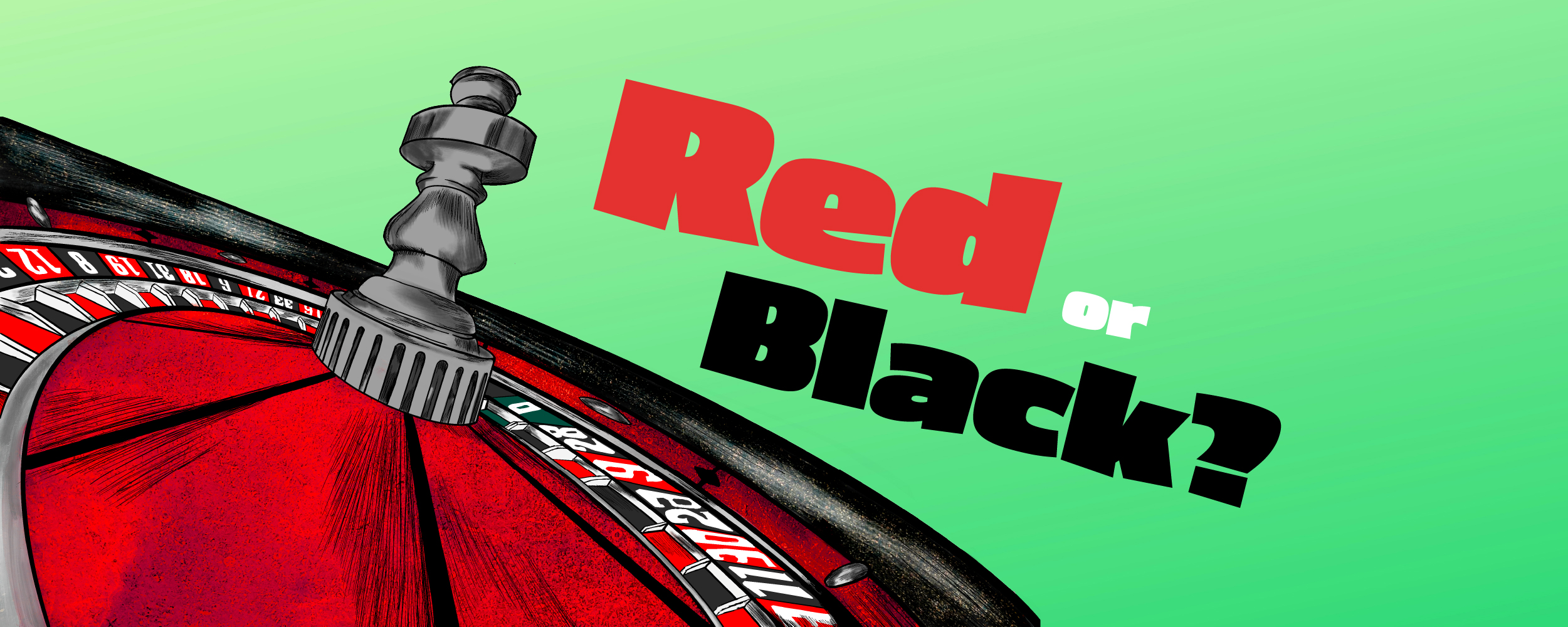

It’s not much of a secret that online gambling has seen a rise in popularity in the last few years, especially with the younger generation. The technology being offered today means you can gamble from anywhere you can find a connection, anytime you want, on whatever device you’re using. It’s convenient, accessible, and marketed as entertainment suited to your interests. But it can also be more dangerous; a lot of people see online gambling as a means to make money quickly, and they don’t always weigh the real risks against possible rewards. Because the internet can make it seem more like a game, it’s much more likely that people will lose money rapidly in comparison to gambling at an in-person location. At these kinds of places, such as casinos, it’s easier for others to see when a person is going too far with their gambling – whereas online, they’re more isolated and it’s harder to see the signs of an addiction or harmful impacts.
Based on research in 2025, the approximate total that was spent by New Zealanders taking part in online gambling was 3.1 billion dollars, which was an increase from the total in 2024. Almost half of this total (48%) was made up of adults aged 25 – 39. Because we’re part of the generation that grew up with more advanced technology than our parents, young people are much more likely to skip the physical casino and gamble online from the comfort of their own home instead. Online platforms can offer a larger range of games, especially ones constructed around popular interests such as sports. Because this is such a popular interest in the target consumers, ads and commercials for gambling or betting are shown four times as much during sports television than non-sports television, meaning that there is a higher chance of attracting attention from fans, and they are more likely to take part. Sports betting in New Zealand became so big that a legislation was passed in June 2025, prohibiting any persons or organisations except TAB from offering any sport or racing betting services. By doing this, the government aimed to decrease the harm caused by gambling and protect consumers by only allowing one trusted organization to offer this kind of online betting. The New Zealand Gambling Survey of 2023/2024 revealed that out of all respondents, 12.5% responded to have placed a bet in the last twelve months. That number added up to around 538,000 people. The expenditure over 2023 and 2024 on TAB was projected to be around 371 million dollars, which was a decrease of 5 million dollars from the 2022/2023 period.
On a worldwide scale, the percentage of men taking part in gambling are a lot higher than women, and they are also known to suffer more gambling related harm. This can include things like stress and anxiety, financial problems, career performance, relationship problems, and other mental health issues. Because men are statistically more likely to be interested in sports, a lot of the advertisements and commercials being shown are targeted towards this. Ads today will market gambling as a normalised hobby, something that men do with their friends, and promote a sense of friendly competition and kinship to draw the audience in. It’s paired with the notion that gambling will always yield high value wins, and with the clever use of staged reactions on screen, gambling looks a lot more appealing than it actually is. If a person isn’t familiar with the possible risks that come with the activity, they are much more likely to get involved.
Smaller versions of online gambling have also become more normalised in the form of video games and the additions that are included within them. A lot of mobile games will contain things like slot machines to win bonuses, opportunities to purchase bulk items for a small amount of money, loot boxes, and much more. Things like this can market online gambling on a minor level, and by offering micro-transactions in return for what seems like a big reward, opens the gateway to a larger problem. A person who makes small purchases on video games is likely not aware of how much each purchase is adding up to, and if their game simulates a gambling environment, they are more likely to follow that path into real online gambling that can cause them to lose a lot more money on top of other things. As well as this, a lot of gambling and betting apps are presented as something like a video game, which blurs the line between something that is just entertainment, and something that could cause real-world harm.
Across New Zealand, the top highest (adjusted) average gaming machine profits per electronic gaming machine by territorial authority – as of December 2025 – were
- Porirua City – $18,685.43
- Auckland City – $18,298.04
- Tauranga District – $17,048.37
- Hastings District – $15.782.85
- Christchurch City – 15,782.85
- Invercargill City – $15,353.37
Though online gambling is becoming larger and has the capabilities to cause a lot of harm, there are emerging preventatives that can be put in place. Artificial intelligence may soon be able to detect harmful gambling patterns, protecting those who aren’t in physical spaces where others can notice they need help. However, while we wait for that, further action by the government is needed. Online gambling can cause more harm than it can good, and it’s important to know the real risks and ways that it can affect someone’s life.
If you or anyone you know needs help, don’t hesitate to reach out to those who can provide support.