
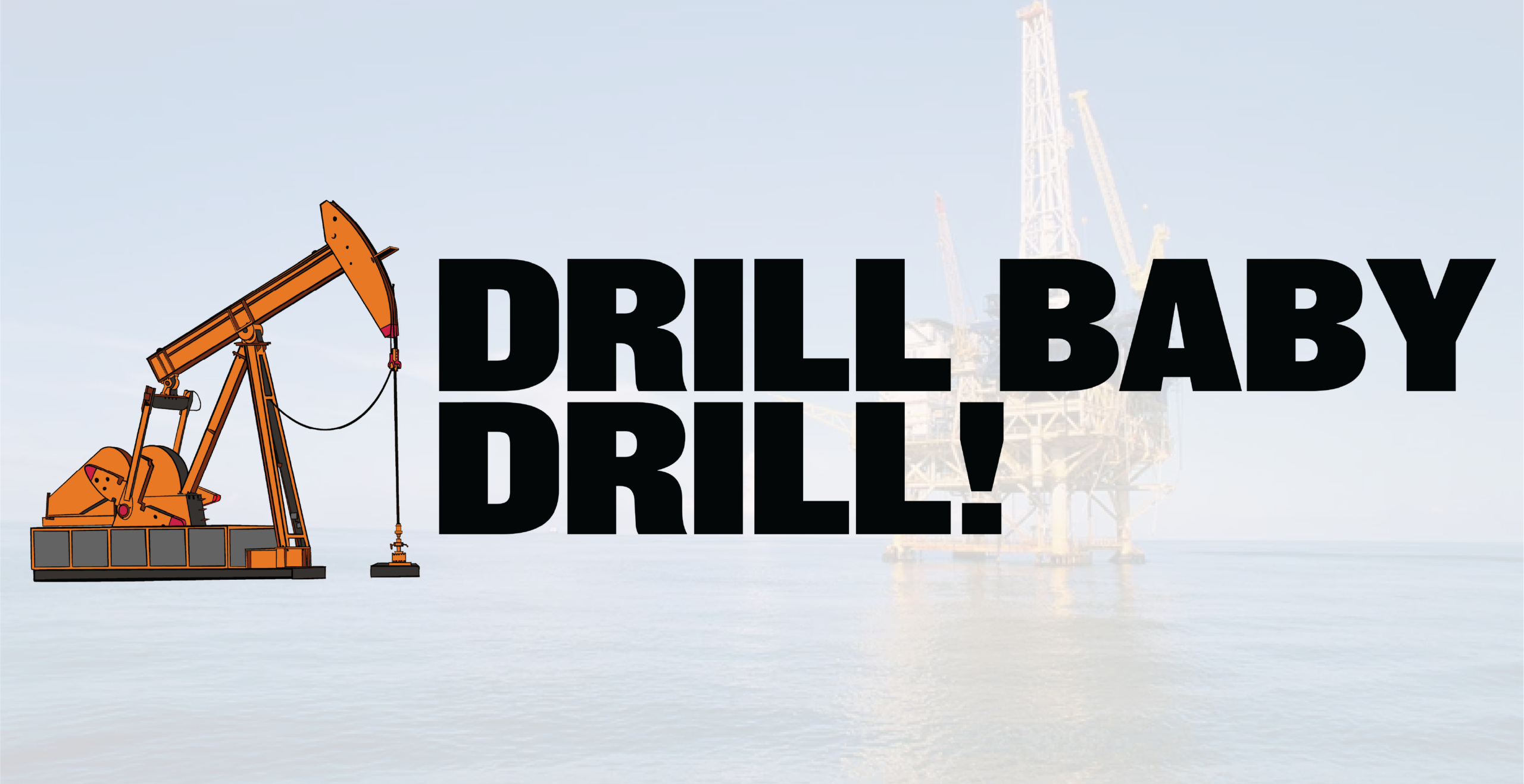

Over the 18th and 19th of July, party leader Winston Peters stood up at the New Zealand First convention to announce the party’s proposal, if re-elected, is to invest one billion dollars into the exploration of offshore basins in order to extract oil and gas supplies. Peters claimed that this investment was a way to lead New Zealand towards a resilient future with more internal fuel security, rather than continuing to rely on overseas sources. During his speech, Peters insisted that “we will find those energy reserves, we will extract them, and what we find we will use to make our country prosperous again.” The estimated time to complete the surveying – if it were to go ahead – is about two years, and Peters is confident that the country would have its own supplies within six years if the survey yielded good results. While this announcement has gained support for New Zealand First – both in the polls and in members from other parties – concerns have been raised about whether the better investment is renewable energy.
Out of the eighteen basins that are known to contain or are predicted to contain hydrocarbons, Peters claimed that ten of these have “world-class potential”, and that there was a “well above 90 percent” chance of this investment resulting in a considerable discovery of oil and gas. A lot of his focus seemed to be on The Great South Basin, which Peters sees a lot of deep potential in as a result of it only having had wells drilled eight times in the past. The party claims that previous explorations into these basins have been limited, and due to the advances in modern technology that we have for surveying, we could now reveal viable resources that had previously not been discovered. However, a major concern stemming from this plan is that the 1 billion dollars is only an initial investment in order to survey the sites, and more would be spent when or if the survey yielded successful results.
Professor Priya Kurian, from the school of law, politics, and philosophy, agreed that “New Zealand First’s proposal to spend $1 billion surveying for potential oil and gas reserves represents a major step backwards. At a time of accelerating climate change, New Zealand should strengthen its energy security and energy sovereignty by investing in renewable energy, storage, and a resilient infrastructure instead of searching for new fossil fuel reserves.” She said that “The risks of committing to further oil and gas exploration are significant. Firstly, there is no reasonable guarantee that such an exploration will actually translate into finding anything of use. But more importantly, this continued focus on oil and gas risks locking the country into decades of fossil-fuel dependence, increasing greenhouse-gas emissions under the Paris Agreement. It also delays the difficult but essential work of delivering a just transition to a socially equitable and environmentally sustainable future.”
The public opinion last year showed almost an even divide on this issue, based on the amount of people who voted in the polls. As of July 1st 2025, 44% of poll voters were against offshore oil and gas exploration, pushing for a focus on renewable energy instead. 38% supported the exploration with the intentions of gaining energy security, while the other 18% were unsure. If still applicable now, these results show that the public remains almost evenly split between concerns about the country’s long term climate and environmental goals, and whether domestic fuel production could improve our energy security as well as reducing our reliance on overseas sources. Though the country’s focus in the last years has been on renewable energy, Peters said that he intends to shift the debate away from this, and towards the potential economic benefits that can come with tapping into New Zealand’s natural resources. He argued that using domestic resources that the surveying would allow would provide the country with a more reliable energy source, while also strengthening economic resilience. This proposal was framed as being part of a wider plan that includes addressing the rise of living costs, energy prices, and more.
New Zealand First’s proposal comes as the party continues to build up support in the opinion polls, with one of the latest RNZ Reid Research polls placing NZ First on 11.5 percent, which is almost double the election result from 2023. Alongside their rising statistics with this announcement, in recent months, former MPs from both Labour and National have left their respective parties to join up with Peters. Former National members Harete Hipango-Brownlie and Alfred Ngaro were among them, as well as former Labour member Stuart Nash. Stuart Nash explained his move to NZ First, claiming that “Labour used to stand up for those that work the hardest, now they stand up for those who complain the loudest. Labour built the first state house, now they defend those who trash them.” Peters skirted around this topic at the convention, criticising these parties for their response to the current issue around fuel security, which has largely been focused on solar panels. He said that the country has “one of the greatest potentials in the world to have ownership of our own supply of oil and natural gas”, giving reason behind his intended plans.
Whether this proposed investment actually delivers commercially viable results remains uncertain, and while New Zealand First argues that modern surveying could reveal untapped resources, their proposal all depends on a successful exploration. For now, it has become one of the defining debates of energy for the 2026 election campaign, and is raising larger questions and concerns about how New Zealand should balance energy security, economic growth, and the long-term transition towards low-emission energy sources.