
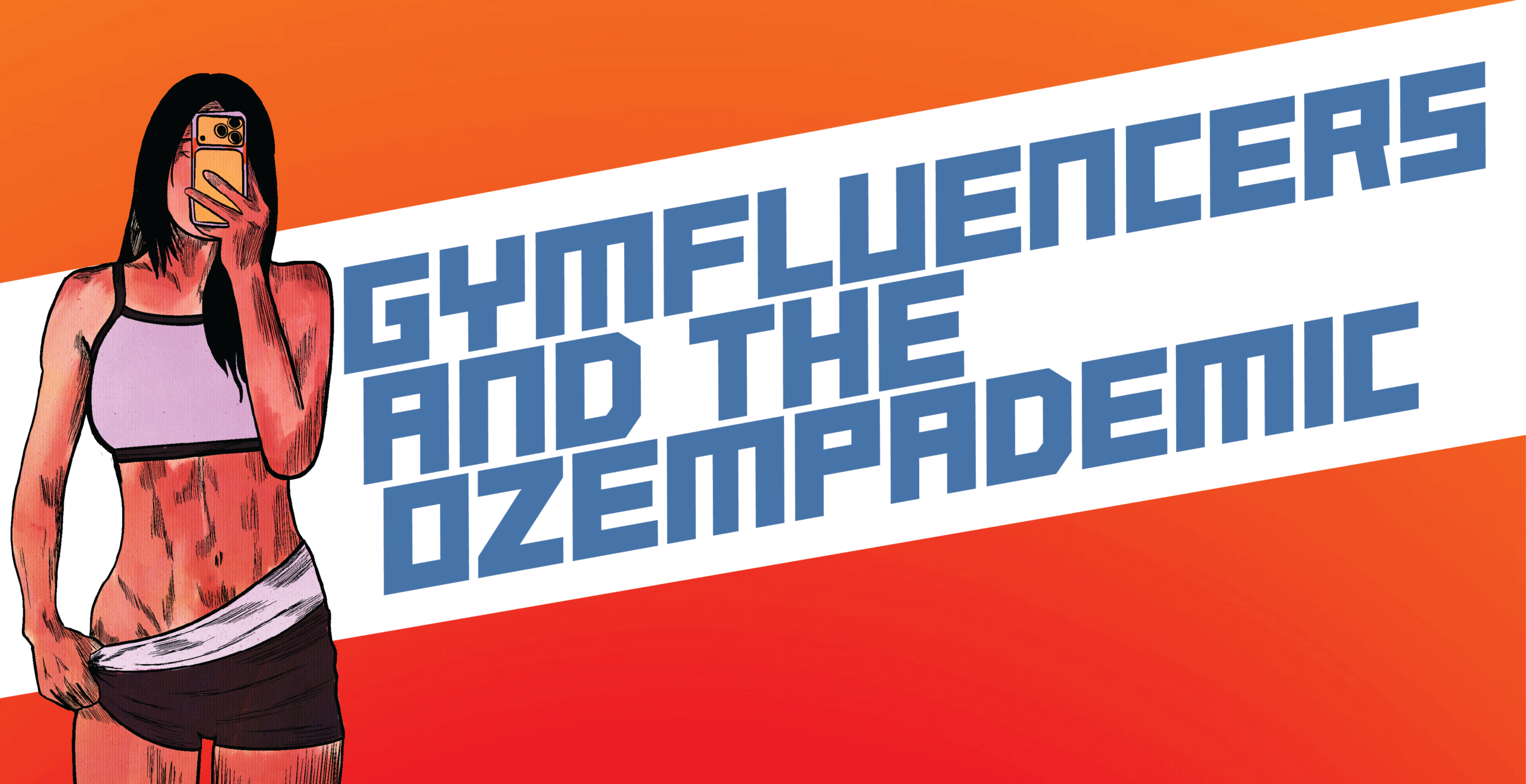

Scroll through social media for five minutes and you’ll find a new body to aspire to. One creator swears by becoming a “muscle mommy,” another insists Pilates is the secret to a lean physique, while someone else claims marathon training transformed their body and life. Alongside these fitness trends come equally viral nutrition plans, weight-loss injections, supplements, and “life hacks” promising dramatic results with minimal effort. In an era where algorithms reward transformation over nuance, the modern body has become another trend cycle – and millions are trying to keep up.
Just as fashion changes from skinny jeans to baggy denim, beauty ideals are constantly evolving. The coveted body of the 1990s was notably different from the curvier aesthetic that dominated the 2010s. Now, social media has ushered in yet another shift. Lean, toned physiques associated with Pilates and running sit alongside highly muscular gym-built bodies, while the increasing popularity of medications such as GLP-1 has sparked conversations around rapid weight loss and changing beauty standards. The result is a confusing landscape where the “ideal” body changes almost as quickly as the algorithm.
With every new body trend comes a matching exercise trend.
Pilates has experienced an enormous resurgence, marketed as the pathway to a long, lean physique. Boutique reformer studios have become status symbols, and influencers regularly credit the workout for creating toned muscles without “bulking up.” Running, once dismissed by some corners of the fitness world, has become fashionable again thanks to marathon culture, run clubs, and creators documenting their training journeys. Meanwhile, traditional bodybuilding remains hugely popular, with strength training promoted as the ultimate route to curves, muscle definition, and confidence. And, based on what your algorithm promotes, these varying physiques control people’s minds. None of these forms of exercise are inherently better than another. The problem isn’t the exercise itself – it’s the promise attached to it.
Too often, workouts are sold as aesthetic shortcuts rather than activities that improve health. Social media thrives on before-and-after photos and dramatic transformation stories because they attract clicks. It’s much harder to market consistency, genetics, patience, or the reality that two people following the exact same programme can end up looking completely different.
Exercise trends aren’t the only thing changing. Nutrition advice has become equally polarised.
One week the internet declares carbohydrates the enemy. The next week, fruit is supposedly unhealthy. Vegan diets, carnivore diets, keto, intermittent fasting, seed-oil debates, and detoxes all compete for attention, each claiming to hold the secret to optimal health and effortless weight loss. Some dietary approaches can absolutely benefit certain people depending on their health conditions,preferences, or cultural backgrounds. But problems arise when influencers present their personal experience as universal truth.
Nutrition science is rarely absolute. Individual needs vary according to age, activity level, medical history, genetics, and lifestyle. What improves one person’s health may leave another feeling exhausted or deficient. The rise of supplements and peptides has added another layer to the conversation. Collagen powders, fat burners, greens powders, protein coffees and metabolism boosters flood social media feeds daily. Alongside them, peptides and GLP-1 medications have become increasingly visible, often discussed by influencers with little context around who these treatments are actually intended for.
Previously weight loss lifehacks that dominated those with the funds to support it were procedures such as liposuction and gastric bypass. Now, we see injectable cheat sheets rather than surgical ones. While medications such as Ozempic and similar GLP-1 drugs can be highly effective treatments for people living with type 2 diabetes or obesity when prescribed appropriately, their popularity online has fuelled misconceptions. Viral videos often frame these medications as cosmetic shortcuts rather than medical treatments that require ongoing clinical supervision and can carry side effects. And now, what could have been a miracal drug for those needing to turn their health around are being sold under the table to first celebrities, but now, everyone. The same pattern repeats itself across countless wellness products: simple solutions are easier to sell than complex realities.
At the centre of all these trends sits a relatively new profession: the gymfluencer.
Fitness influencers have democratised access to exercise information in many positive ways. They have introduced people to strength training, encouraged women to enter weight rooms, made exercise feel more accessible and built supportive online communities. But influence comes with responsibility.
Algorithms reward certainty rather than nuance. “Three exercises to grow your glutes” performs better than “results depend on your anatomy, nutrition, sleep, training history and genetics.” Absolute statements generate engagement, even when the science is more complicated. Creators often speak confidently about “toning,” “snatched waists,” “hip dips,” hormone balancing, fat-burning zones or “fixing” certain body features despite limited scientific evidence supporting many of these claims. Not to mention, these people get paid to spend all day at the gym, being buff and giving unsolicited advice is their job. For someone already feeling insecure about their appearance, the constant stream of conflicting advice can become overwhelming.
When asked if social media has improved or worsened people’s relationships with exercise, Oliver Dunn, Uni Rec health and fitness manager, notes “Probably both. Accessibility to information has increased the likelihood someone might start exercising. The overload of information and growing plague of personal fitness pages has increased burnout. The constant pushing of perfect bodies has likely led to more obsessive exercisers and body dysmorphia. And then there’s neutral mutations like how running is now a flex.” He further explains the rise in gymfluencers has created “more independence from the average gym member. There’s less need for initial support as they go with what they see online and fill in the blanks. There’s some pitfalls with that but if it gives people the initial confidence to start at the gym then it’s a net positive.”
Perhaps the biggest issue is that social media often forgets the one factor nobody can change: every single body is different. Genetics influence where we store fat, how easily we build muscle, our height, bone structure, metabolism, and body proportions. Two people completing identical workouts and eating identical meals may still develop entirely different physiques. Oliver agrees, stating things as miniscules as “the length of your arms or legs has a big impact on movement competency and potential strength gains.” And he continues “one thing people should keep in mind is that unless you have the same genetics as the person you’re following online, the chances you can build the same physique is unlikely.” No amount of Pilates will completely reshape someone’s skeleton. Bodybuilding cannot change where your hips sit. Running alone won’t guarantee weight loss. Even medications affect individuals differently. Health professionals consistently emphasise that sustainable fitness is built on consistency, balanced nutrition, adequate sleep, stress management, and movement that people genuinely enjoy – not chasing whichever body trend is dominating the algorithm.
Ironically, the healthiest approach may also be the least marketable because it isn’t dramatic. There is no viral workout that works for everyone. No miracle diet that suits everybody. No supplement capable of replacing healthy habits. And there is certainly no single body type that defines health or beauty. As the next fitness trend inevitably arrives, perhaps the question isn’t whether Pilates is better than bodybuilding or whether running beats lifting weights. Instead, it’s whether we’re exercising to fit an aesthetic that may be out of fashion next year – or investing in habits that will still benefit us decades from now. Oliver also urges us to question “Is this sustainable? What goal(s) am I working towards and does this workout actually align? Is this workout credible – is it science backed, have they explained why you’re doing 100 burpees?”
Because unlike social media trends, fuelling and moving your body shouldn’t go out of style.